
The Justice Department admitted it screwed up 9,500 Epstein documents by exposing victim identities.
Attorney General Pam Bondi faced Congress February 11, 2026, over the massive redaction failure that forced the DOJ to pull nearly 10,000 files from public access. Democrats accused her of cover-up while Bondi blamed the Biden administration for investigative failures.
The hearing lasted over five hours with Epstein survivors watching from behind Bondi.
The Critical Details
- Testimony date: February 11, 2026
- Hearing duration: Over 5 hours
- Documents pulled: Approximately 9,500 files
- Cause: Victim-identifying information not properly redacted
- Worst example: 80+ page document with one unredacted victim name
- Epstein survivors: Multiple victims attended hearing
- Resubmission requirement: Written justifications within 15 days
- Law violated: Cannot withhold based on “embarrassment” to officials
The 80-Page Mistake
One document over 80 pages had victim information thoroughly obscured throughout—except for a first name appearing on a single page. That single oversight forced the DOJ to admit its redaction process failed.
Bondi sent letters to federal judges explaining that despite “evident diligence from the reviewer,” victim information slipped through. Victims and their representatives flagged additional identifiers the DOJ initially missed.
The law authorizing the release explicitly states: “No record shall be withheld, delayed, or redacted based on embarrassment, reputational harm, or political sensitivity, including to any government official, public figure, or foreign dignitary”.
Yet 9,500 documents disappeared.
Bondi Refuses to Apologize
Representative Pramila Jayapal asked Bondi to acknowledge the Epstein survivors in the room and apologize. Bondi refused, dismissing it as “theatrics”.
She opened her testimony defending her career: “I have dedicated my career to advocating for victims, and I will persist in doing so”. She called Epstein a “monster” and expressed remorse to victims.
But when given the chance to apologize directly to survivors present, she attacked Democrats instead—demanding they apologize to Trump for his two impeachments.
The Trump Connection
California Democrat Ted Lieu asked whether Trump attended parties involving underage girls. Bondi called the question “ridiculous” and insisted no evidence implicates Trump.
Lieu suggested her response could constitute lying under oath, noting Trump’s name appears frequently in Epstein files. Bondi fired back, accusing him of false accusations.
Senator Dick Durbin asked if the Justice Department briefed Trump on anything concerning in Epstein documents. Bondi refused to answer: “I’m not going to discuss anything that I’ve discussed with the president, senator”.
Raskin Gets Called “Washed-Up Loser”
Representative Jamie Raskin opened with a scathing attack: “You’re siding with the perpetrators and you’re ignoring the victims. That will be your legacy”.
Bondi responded by calling him a “washed-up loser lawyer” during her rebuttal. The exchange set the tone for five hours of political combat.
Texas Representative Jasmine Crockett eventually walked out, declaring: “This is a significant cover-up. This administration is still involved in it, and in fact, complicit”.
Bondi’s Combat Strategy
Bondi blamed the Biden administration for any investigative failures. She maintained the department found no evidence of conspiracy or cover-up.
She used Republican time slots to display prepared dossiers attacking Democratic committee members. When Crockett criticized her, Bondi showed photographs of convicted criminals from Texas.
Her approach mirrored Trump’s combative style—turning defense into offense rather than answering questions.
Why This Redaction Matters
The DOJ must provide written justification within 15 days for any withheld evidence. But Bondi’s testimony offered no transparency about what those 9,500 documents contained.
The fumbled release raised questions about whether protecting powerful figures motivated the redactions. The law explicitly forbids withholding documents to prevent “embarrassment” to officials.
Several Epstein survivors attended specifically to hear an apology for the DOJ’s carelessness with their identities. They left without one.
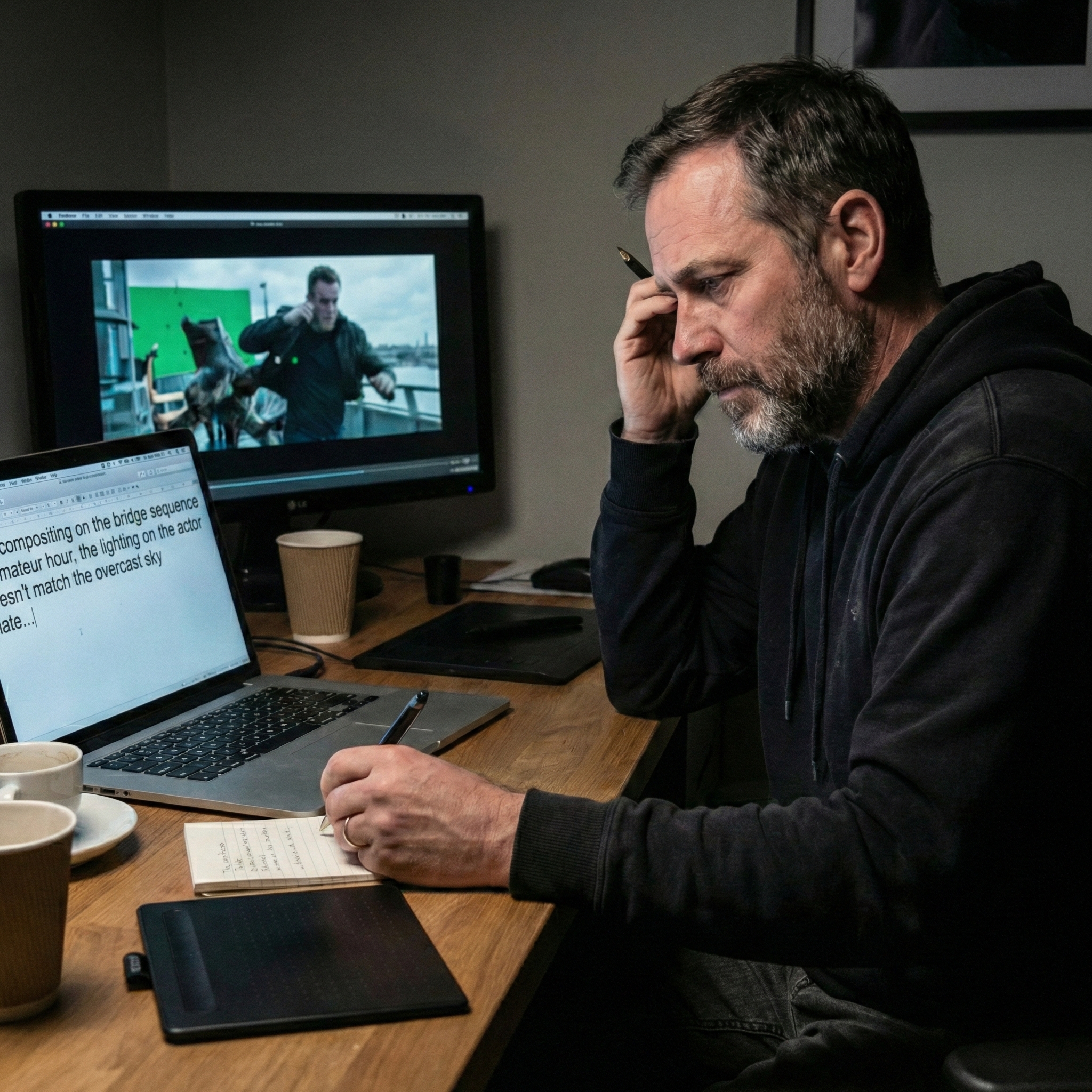
Jordan Blake is a rogue film critic and former VFX compositor with over 15 years of industry experience. Tired of paid reviews and “safe” opinions, Jordan left the studio system to tell the audience what Hollywood won’t. He specializes in forensic frame-by-frame analysis, exposing bad CGI, and decoding hidden lore that others miss.
Known for his “no-nonsense” approach, Jordan pays for his own tickets and refuses to attend press junkets, ensuring his loyalty belongs only to the fans. If a movie is a cash grab, he’ll say it. If it’s a masterpiece, he’ll explain why technically.
Specialty: VFX Breakdowns, Script Analysis, Hidden Details.
Motto: “Cinema doesn’t lie, but marketing does.”
Follow him for: The truth behind the pixels.